Wind Energy Component Fabrication: Materials for Coastal and Offshore Sites
Material selection for wind energy components at coastal and offshore sites — corrosion classes, alloy choice, fastener and coating systems compared.
Topic
Choosing grades, tempers and thicknesses against strength, formability and cost.
32 articles · page 1 of 2
Material selection for wind energy components at coastal and offshore sites — corrosion classes, alloy choice, fastener and coating systems compared.
Pick battery module tray and bracket materials for stiffness, mass and vibration control — grades, gauges, joint design and the modes that matter.
How stamping works from the strip up: blanking, piercing, notching, bending, drawing, embossing and lancing, with the materials, thickness ranges and design rules that decide whether a part is cheap or impossible.
ASTM designations in practice: A1008 and A1011 sheet, A653 G90 converted to g/m², A792 aluminium-zinc, gauge versus decimal thickness, and what a mill test report proves about the steel you receive.
How EN sheet metal specifications behave when purchased in China: EN 10130 and EN 10346 grades, coating classes, what an EN 10204 3.1 certificate adds, and why EN 1090 is a different question entirely.
How AS/NZS sheet metal specifications translate into what a Chinese mill actually stocks: coating classes in g/m², G300/G350 versus Q355, galvanizing after fabrication, and the welding qualification question.
How to pick sheet metal that survives rain, salt, UV, and industrial atmospheres — galvanized steel vs stainless 304/316 vs aluminium, and when each makes sense.
When a buyer specifies an Australian, European or US grade, three things are actually being specified — and at low volume the exact grade costs more than the part. How to substitute deliberately instead of accidentally.
A clear guide to sheet metal gauge — how gauge numbers map to millimetres, how thickness affects strength and cost, and how to pick the right gauge.
Advanced material options for electronic enclosures — alloys and composites, the shielding implications of each, and a selection process from requirement to release.
A comprehensive guide to selecting the right sheet metal materials for renewable energy systems, considering performance, durability, and sustainability factors.
Thickness, grade and finish for retail display stands, with a selection matrix by stand type and the trade-offs between strength, weight and cost.
A detailed analysis of material options for retail display metal fabrication, including considerations for aesthetic appeal, durability, and brand alignment.
Retail display materials by display type — racks, stands, shelving and signage — matched to load, finish quality and cost expectations.
Battery enclosure, rack and busbar design for energy storage — material grades, thermal paths, fire separation and the details that decide assembly.
A detailed analysis of material options for oven components, including considerations for heat resistance, corrosion resistance, and food safety compliance.
A detailed analysis of material options for refrigerator components, including considerations for corrosion resistance, thermal conductivity, and food safety compliance.
A detailed analysis of material options for washing machine components, including considerations for corrosion resistance, strength, and cost-effectiveness.
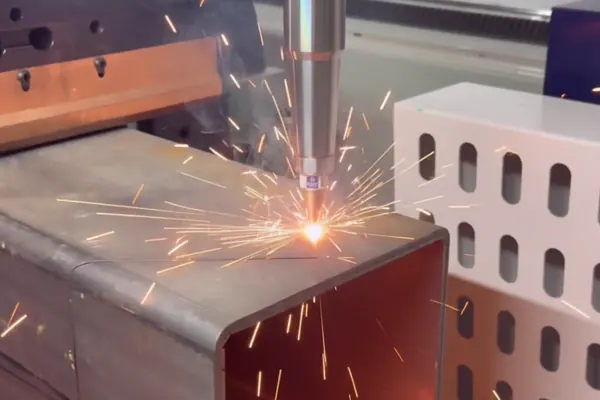
How different sheet metal materials respond to laser cutting — cutting parameters, edge quality, and material limitations for engineers and procurement.
Which sheet metal and coating to specify for appliance panels, liners and brackets — corrosion, cosmetic finish, formability and cost, appliance by appliance.
Choosing sheet metal for display racks — material by application, thickness against span and load, and the finishes that survive a retail floor.
Steel, aluminium and tube options for retail display stands, compared on strength-to-weight, weldability, finish quality and how they survive store handling.
Material selection for POP displays — matching sheet metal and finish to the application, the load, and the number of weeks the display has to last.
Material selection for retail signage — sheet metal and finish by signage type, thickness against panel size, and the flatness that decides how it reads.