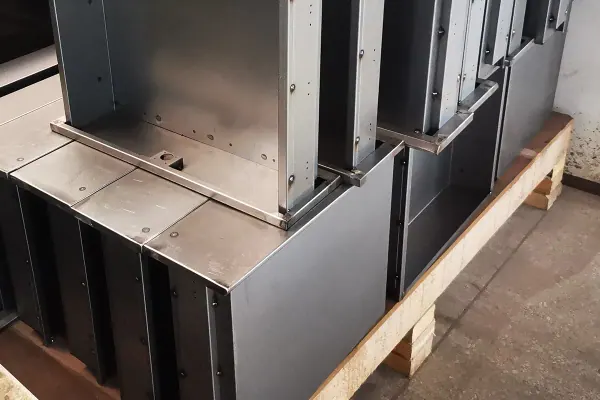
Refrigeration Cabinet Sheet Metal: Liners, Foam Access and Door Frames
How refrigerator liners, thermal breaks, foam injection access and door frames are designed in sheet metal to control condensation and cabinet squareness.
Topic
Appliance housings and components, and the standards they must meet. Covers heat resistance, coating durability, fit and finish expectations, and the safety requirements behind them.
22 articles
How refrigerator liners, thermal breaks, foam injection access and door frames are designed in sheet metal to control condensation and cabinet squareness.
Drum housing design, bracket stiffness, spin-load path and coating durability for laundry appliance sheet metal parts exposed to water and detergent.
Cavity materials, door sealing, thermal expansion and grease-access design for commercial oven sheet metal, with the interface tolerances that matter most.
How appliance panels, brackets, liners and welded sub-assemblies are specified, formed and finished to keep white goods assembly lines running.
What to specify when sourcing custom fabricated parts for appliances — cosmetic zones, coating and colour control, fit-up and corrosion duty.
Explore key design considerations for sheet metal components in home appliances, including material selection, manufacturability, cost optimization, and quality control.
Appliance sheet metal organised by function — structural frames, functional parts and aesthetic panels — with the material choices each one demands.
Where appliance fabrication is heading — newer forming and joining techniques, the material shifts behind them, and what each change means for part consistency.
Which standards govern appliance sheet metal — material specifications, finish and coating requirements, and the evidence a buyer should expect on a production order.
Practical strategies for reducing costs in appliance sheet metal fabrication without compromising quality or safety, including design optimization and production efficiency techniques for engineers, procurement professionals, and decision makers.
What is changing in appliance sheet metal — thinner gauges, cosmetic surfaces and corrosion expectations — and what procurement teams now write into new programmes.
Explore the unique manufacturing challenges associated with producing sheet metal parts for refrigerators, including tight tolerances, complex geometries, and high-volume production requirements.
A detailed analysis of material options for oven components, including considerations for heat resistance, corrosion resistance, and food safety compliance.
A detailed analysis of material options for refrigerator components, including considerations for corrosion resistance, thermal conductivity, and food safety compliance.
A detailed analysis of material options for washing machine components, including considerations for corrosion resistance, strength, and cost-effectiveness.
High-temperature steel selection for ovens — a material comparison, application-specific choices, and the testing that validates heat resistance.
Front-load washer sheet metal broken down by component — base frames, cabinets and tub supports — with the design practice behind each one.
Which sheet metal and coating to specify for appliance panels, liners and brackets — corrosion, cosmetic finish, formability and cost, appliance by appliance.
Cavity, door and element-mounting design for ovens — steel selection for high-temperature service, thermal expansion control and the details that survive cycling.
How appliance sheet metal parts are actually made — frames, panels, liners and brackets, with the material, coating and fit-up decisions behind each one.
Washing machine sheet metal design — base frames, outer cabinets, tub support and control panels, with the corrosion and vibration demands each one carries.
How refrigerator sheet metal parts are designed and built — base frames, liners, door assemblies and shelving, with the material and coating choices behind each.