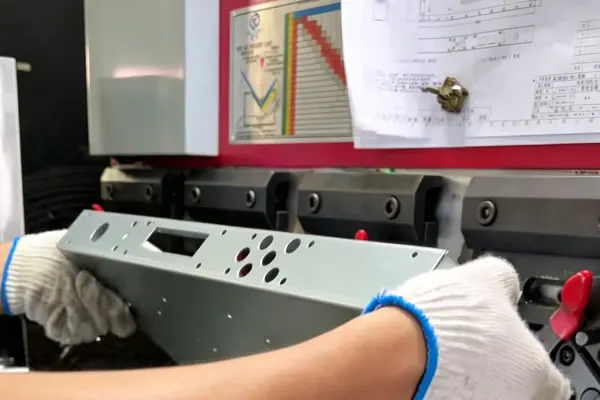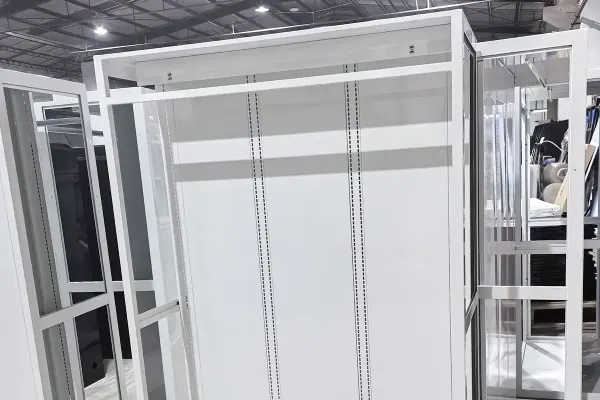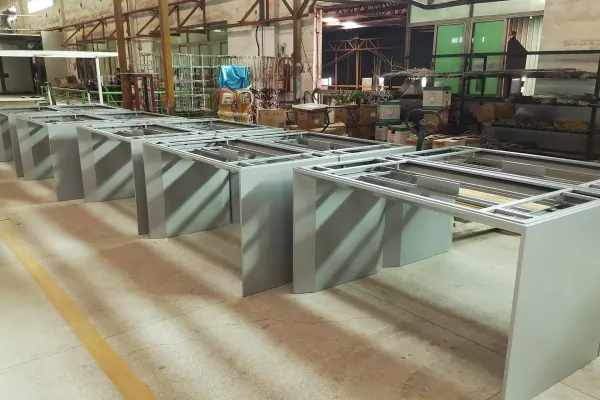
How Are Custom Metal Retail Display Stands Made? A Step-by-Step Walkthrough
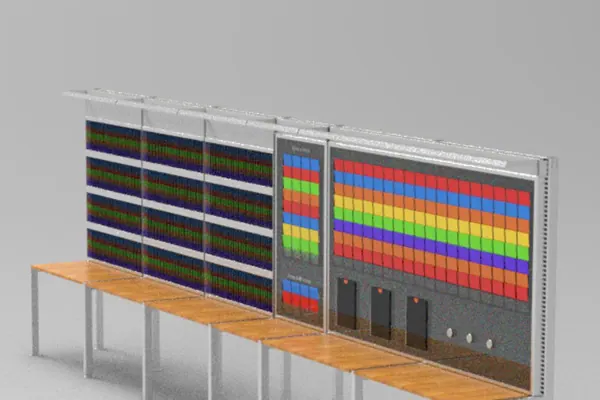
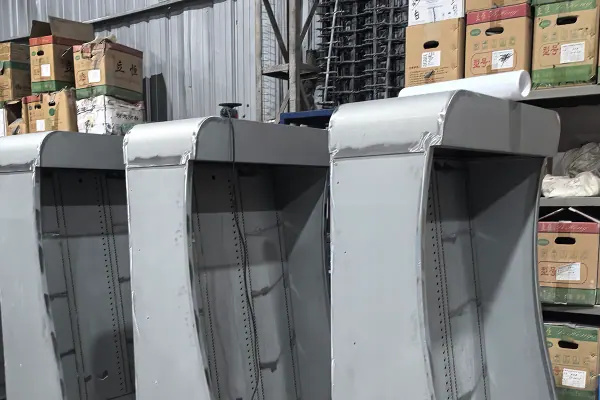
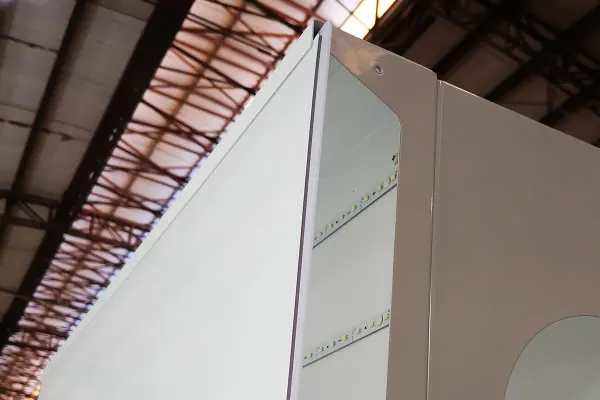
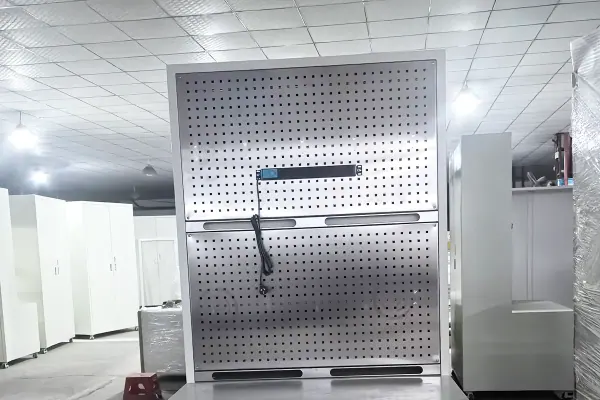
From merchandising brief to installed fixture: the ten steps behind a custom metal retail display stand and the decisions that set cost.
Topic
Retail display fabrication: POS, stands, shelving and store fixtures. Covers the material and finish choices that survive a shop floor and the assembly detail that keeps a display square.
30 articles · page 1 of 2
From merchandising brief to installed fixture: the ten steps behind a custom metal retail display stand and the decisions that set cost.
A technique-by-technique look at display fabrication — assembly sequence, the in-process quality checks that catch problems, and where cost is decided.
Thickness, grade and finish for retail display stands, with a selection matrix by stand type and the trade-offs between strength, weight and cost.
A detailed analysis of material options for retail display metal fabrication, including considerations for aesthetic appeal, durability, and brand alignment.
Retail display materials by display type — racks, stands, shelving and signage — matched to load, finish quality and cost expectations.
Load cases, testing and structural checks for retail display fixtures, including heavy-merchandise stands and the failure modes to design against.
Designing interactive and impulse-driven retail displays — shopper psychology, placement, product visibility and the fabrication details that support them.
Explore how sheet metal fabrication enhances retail display design, creating durable, visually appealing, and functional displays that attract customers and drive sales.
A comprehensive guide to designing and fabricating effective sheet metal retail displays, including material selection, structural design, and installation best practices for retail environments.
Practical strategies for reducing costs in retail display fabrication without compromising visual impact or durability, including design optimization and production efficiency techniques for engineers, procurement professionals, and decision makers.
How metal display racks are built — cutting, forming and joining decisions, the quality checks that matter, and the DFM choices that cut cost.
The fabrication sequence for display stands — precision cutting, forming, structural joining and finishing, with the checks that keep a rollout consistent.
Process sequence, quality gates and the DFM decisions that decide whether a retail campaign ships on time, from the first cut to the packed fixture.
Fabricating retail metal signage — cutting and forming letters and panels, joining, finishing, and the quality checks that matter on large-format work.
The fabrication sequence behind a retail display — cutting, forming, joining, finishing and assembly, and the point in that sequence where cost is decided.
Specialized manufacturing techniques for store fixture sheet metal — forming, welding, and finishing for durable retail displays.
Choosing sheet metal for display racks — material by application, thickness against span and load, and the finishes that survive a retail floor.
Steel, aluminium and tube options for retail display stands, compared on strength-to-weight, weldability, finish quality and how they survive store handling.
Material selection for POP displays — matching sheet metal and finish to the application, the load, and the number of weeks the display has to last.
Material selection for retail signage — sheet metal and finish by signage type, thickness against panel size, and the flatness that decides how it reads.
How to choose sheet metal for retail displays — steel, aluminium and finish options weighed against load, appearance and budget.
Matching sheet metal and finish to the retail category — thickness, strength-to-weight, finish durability and the cost trade-offs that follow.
Designing display racks that both store product and sell it — load paths, forward visibility, stock rotation and the handling loads a rack really sees.
Load paths, base stability, joint design and material thickness for retail display stands — plus the handling and relocation loads that get forgotten.