Vacuum Chamber Panels and Frames: Flatness, Welds and Leak-Tight Practice
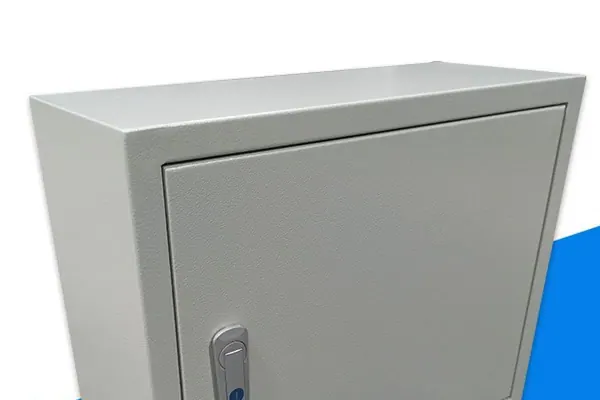
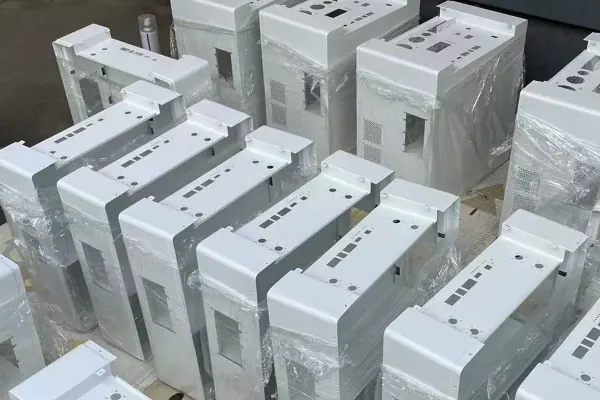
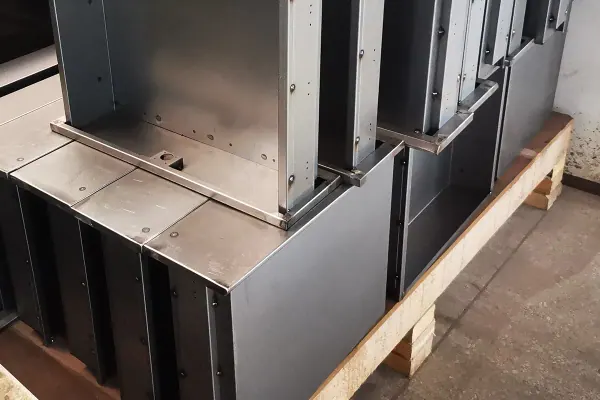
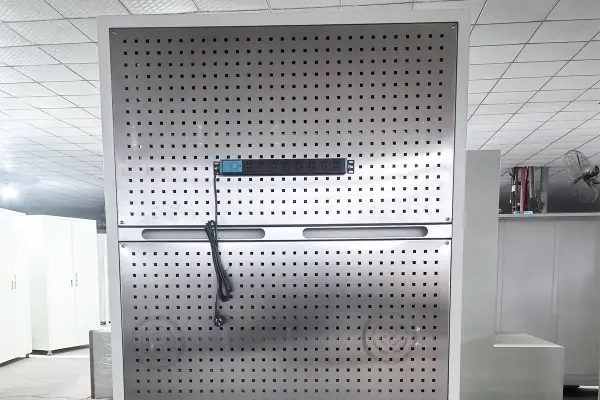
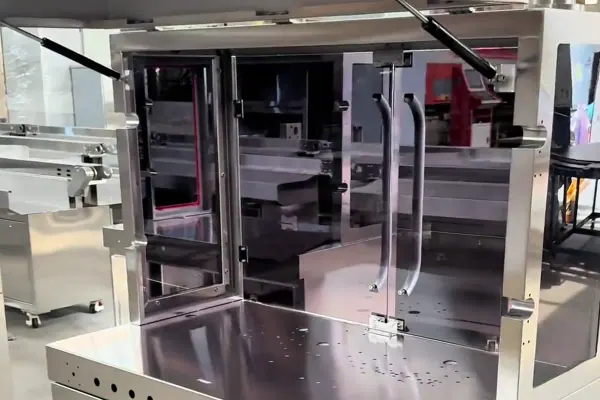
Flatness, weld preparation, sealing surfaces and helium leak testing practice for vacuum chamber panels and frames built from fabricated sheet metal.
Category
Manufacturing techniques compared on cost, tolerance and finish — laser versus plasma versus waterjet, forming methods, welding processes and stamping.
35 articles · page 1 of 2
Flatness, weld preparation, sealing surfaces and helium leak testing practice for vacuum chamber panels and frames built from fabricated sheet metal.
Fabrication of wind turbine tower internals — platform gratings, ladders, cable trays and the tolerances that keep a tapered tower climbable.
A powder coating specification needs eight fields — chemistry, colour reference, gloss, film thickness, pretreatment, masking, substrate and acceptance.
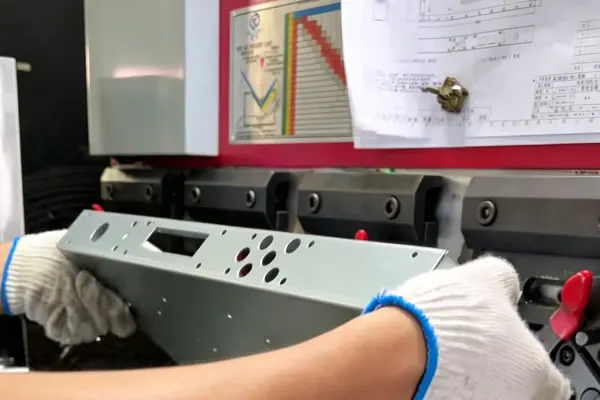
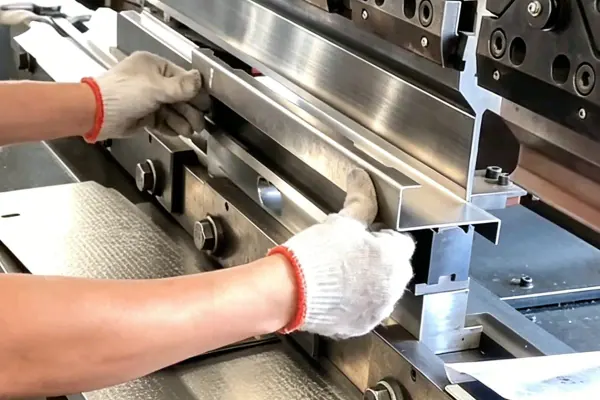
Press-brake work commonly runs from about 0.5 mm to 6 mm, but thickness alone does not decide it. Here is what actually limits a bend, and how to sanity-check one.
Inside radius to thickness ratio sets the strain on every bend. Why R/t = 1.0 cracks ZM310 and prepainted steel, and the ratios to specify instead.
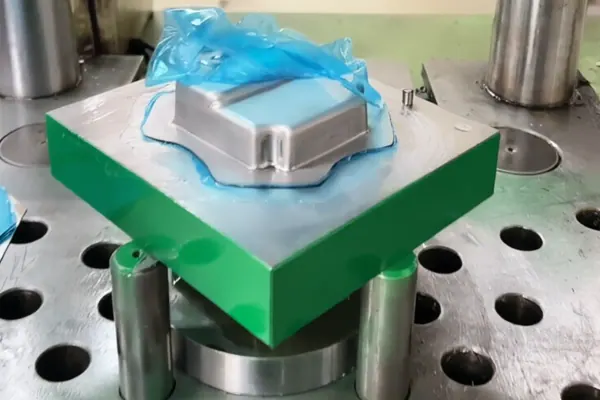
How stamping works from the strip up: blanking, piercing, notching, bending, drawing, embossing and lancing, with the materials, thickness ranges and design rules that decide whether a part is cheap or impossible.
A practical guide to joining and fastening sheet metal — self-clinching inserts, weld nuts, rivets, screws, and formed features — with strengths and limits of each.
A practical comparison of laser, plasma, and waterjet cutting for sheet metal — accuracy, cost, thickness limits, and where each process shines.
How to design sheet metal parts that weld cleanly and stay straight — joint types, fit-up, access, and the distortion issues that ruin welded assemblies.
Compare powder coating, wet spray painting, and anodizing for sheet metal — durability, cost, corrosion resistance, applications, and how to decide.
Compare CNC machining and laser cutting for sheet metal fabrication — pros, cons, costs, and best applications for each process.
A comprehensive guide to laser cutting sheet metal, including different laser types, cutting techniques, materials, applications, and advantages over traditional cutting methods.
Where appliance fabrication is heading — newer forming and joining techniques, the material shifts behind them, and what each change means for part consistency.
A practical guide for manufacturers on selecting the ideal sheet metal fabrication partner, including capabilities assessment, quality standards, and pricing models for engineers, procurement professionals, and decision makers.
Practical strategies for reducing costs in appliance sheet metal fabrication without compromising quality or safety, including design optimization and production efficiency techniques for engineers, procurement professionals, and decision makers.
Where the money actually is in a fabricated sheet metal part — design choices, tolerances, finishing and quantity breaks — and which changes are safe to make.
How low-volume runs without committed tooling work — route selection, set-up economics, and the design choices that keep small batches viable.
The path from a concept sketch to a released production part — DFM review, prototype, first article and revision control, and where each stage goes wrong.
Explore the unique manufacturing challenges associated with producing sheet metal parts for refrigerators, including tight tolerances, complex geometries, and high-volume production requirements.
How different sheet metal materials respond to laser cutting — cutting parameters, edge quality, and material limitations for engineers and procurement.
What actually controls laser cutting precision — calibration, cutting parameters, material variation, and the checks that catch drift before a batch does.
The mechanical side of an electronics product — chassis, enclosures, brackets and thermal paths — and why it is often the schedule-critical path to production.
How appliance sheet metal parts are actually made — frames, panels, liners and brackets, with the material, coating and fit-up decisions behind each one.
Bending techniques and machine capability — press brake tooling, bend sequences, radii and flange limits, and how each choice feeds back into the flat pattern.