What Is the Minimum Bend Radius for Aluminium?
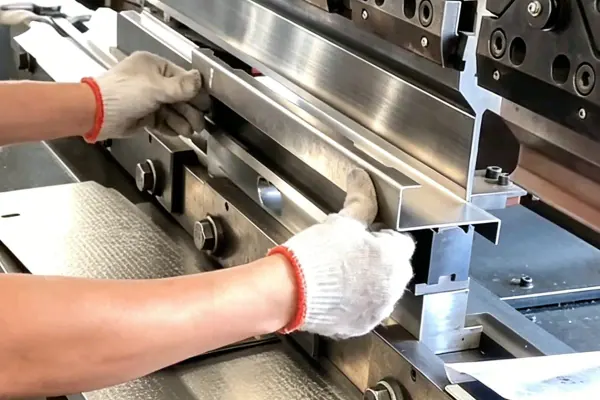
Aluminium minimum bend radius runs from about 1x thickness in soft tempers to 4x or more in hardened ones — the range by temper, and the fixes.
Topic
Press-brake bending, roll forming, tooling limits and forming technique. Covers air bending versus bottoming, bend radius limits and the tooling that decides what a part can actually become.
15 articles
Aluminium minimum bend radius runs from about 1x thickness in soft tempers to 4x or more in hardened ones — the range by temper, and the fixes.
Press-brake work commonly runs from about 0.5 mm to 6 mm, but thickness alone does not decide it. Here is what actually limits a bend, and how to sanity-check one.
Inside radius to thickness ratio sets the strain on every bend. Why R/t = 1.0 cracks ZM310 and prepainted steel, and the ratios to specify instead.
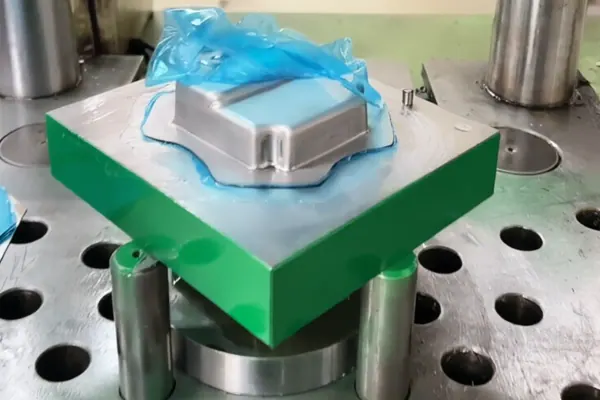
How stamping works from the strip up: blanking, piercing, notching, bending, drawing, embossing and lancing, with the materials, thickness ranges and design rules that decide whether a part is cheap or impossible.
Sharp corners, holes near bends, missing reliefs and tolerance errors: nine DFM mistakes that cause rework, and the drawing note that prevents each.
Learn how bend allowance and K-factor work in sheet metal fabrication, how to calculate flat blank length, and common mistakes that throw your parts out of tolerance.
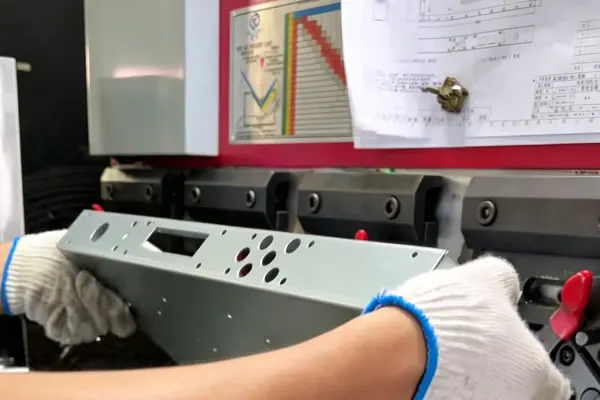
Comprehensive guide to sheet metal bending services, including techniques, equipment, material considerations, and industry applications for engineers, procurement, and decision makers.
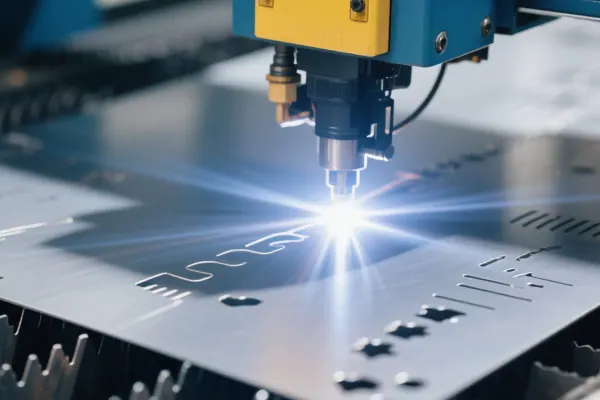
Sheet metal fabrication processes from design to finishing — laser cutting, bending, welding, and assembly for engineers and procurement.
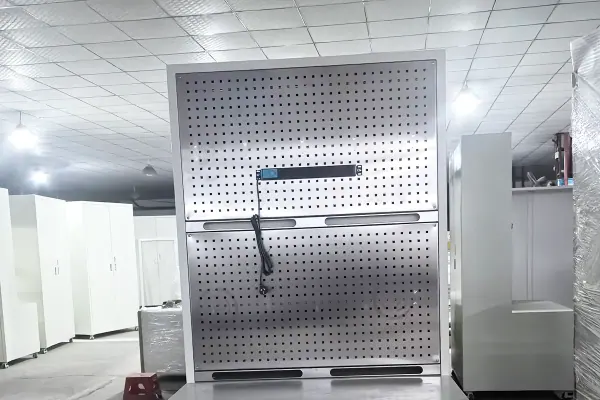
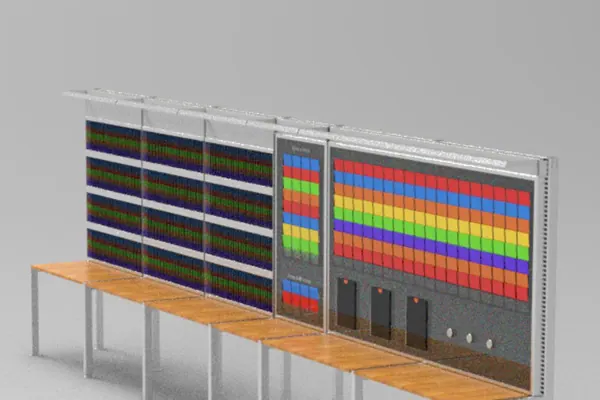
How metal display racks are built — cutting, forming and joining decisions, the quality checks that matter, and the DFM choices that cut cost.
Process sequence, quality gates and the DFM decisions that decide whether a retail campaign ships on time, from the first cut to the packed fixture.
The fabrication sequence behind a retail display — cutting, forming, joining, finishing and assembly, and the point in that sequence where cost is decided.
Bending techniques and machine capability — press brake tooling, bend sequences, radii and flange limits, and how each choice feeds back into the flat pattern.
Comprehensive guide to sheet metal forming services, including techniques, equipment, material considerations, and applications for engineers, procurement, and decision makers.
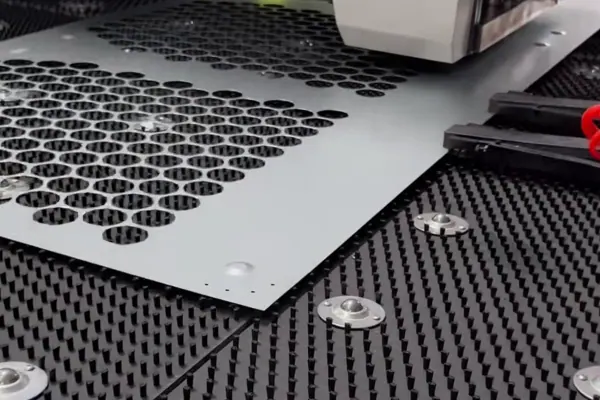
Comprehensive guide to sheet metal punching services, including techniques, equipment, tooling, and applications for engineers, procurement, and decision makers.
Comprehensive guide to sheet metal rolling services, including techniques, equipment, material considerations, and applications for engineers, procurement, and decision makers.