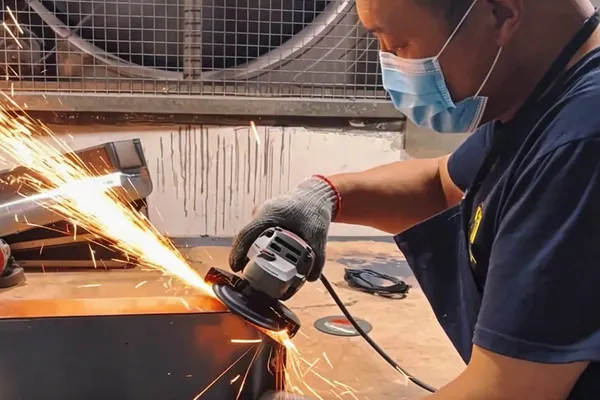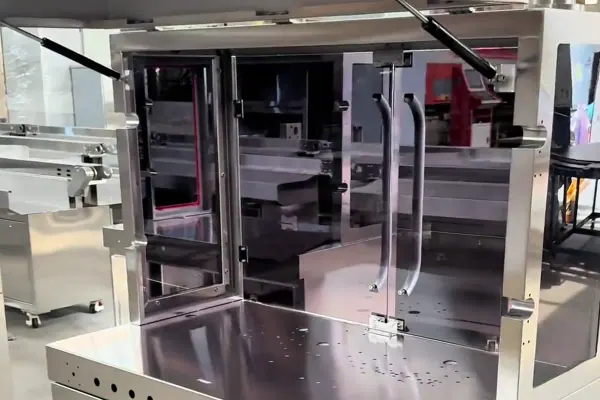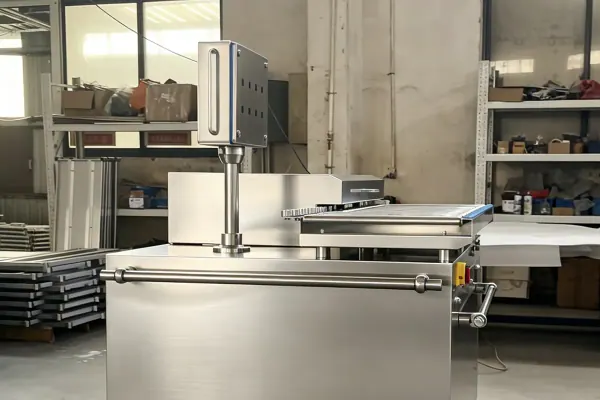
Metal Fabrication for Appliances: Panels, Brackets and Liners
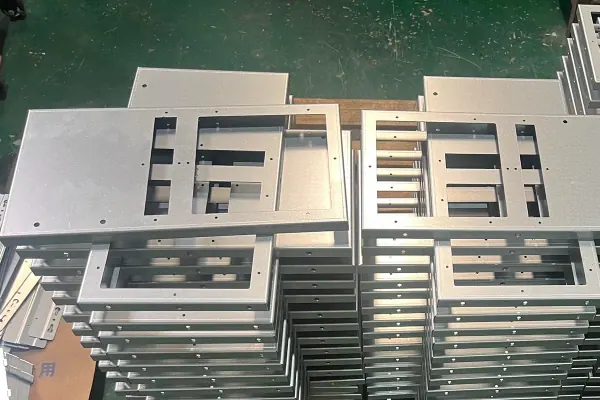
How appliance sheet metal parts are actually made — frames, panels, liners and brackets, with the material, coating and fit-up decisions behind each one.
Explore our latest industry insights, fabrication tips, and company news.
Page 6 of 7
121–144 of 168 articles
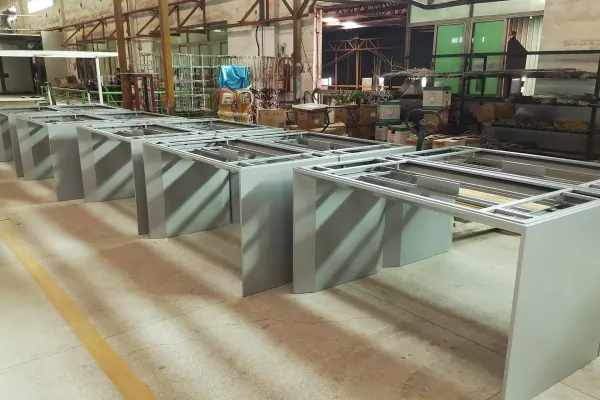
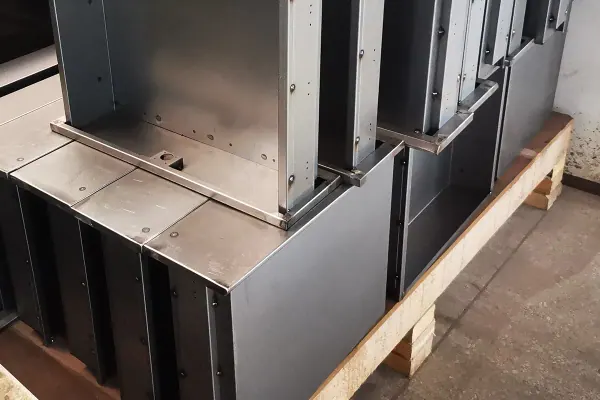
How appliance sheet metal parts are actually made — frames, panels, liners and brackets, with the material, coating and fit-up decisions behind each one.
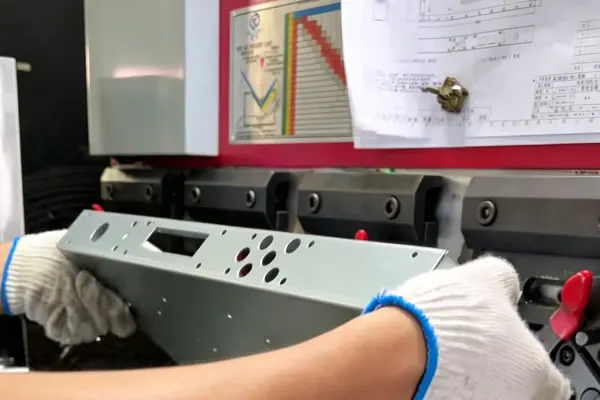
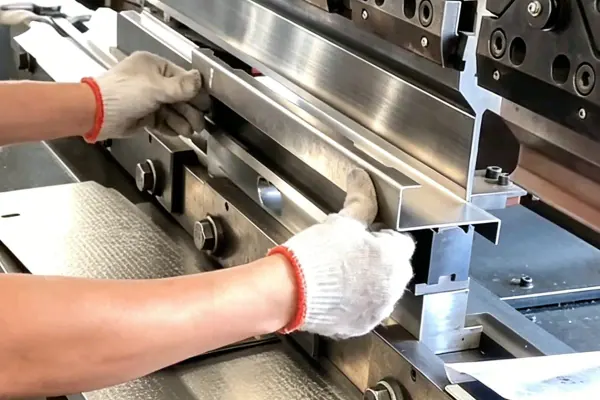
Bending techniques and machine capability — press brake tooling, bend sequences, radii and flange limits, and how each choice feeds back into the flat pattern.
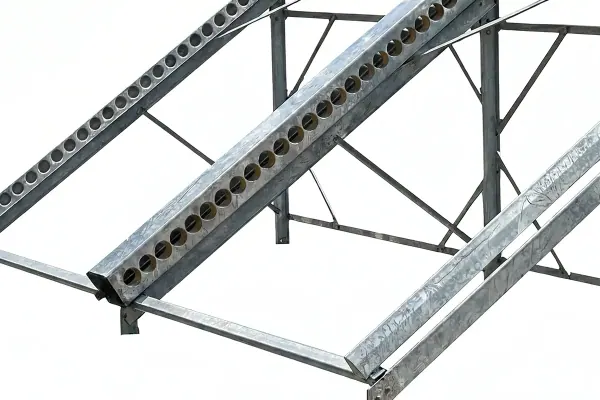
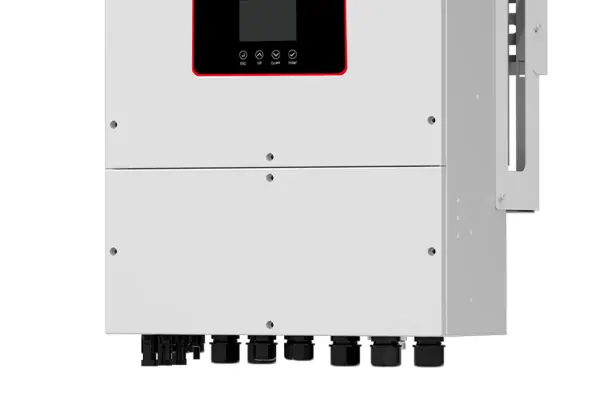
Frames, racking, ground-mount structures and junction boxes — the sheet metal components in a solar installation and the material decisions behind each.
Designing sheet metal displays for visual impact — proportion, contrast, finish and lighting, and the fabrication details that keep a design looking deliberate.
How fabrication capability shapes product design — what becomes possible as forming, joining and finishing improve, and where the practical limits still sit.
Solar frames, wind turbine components and battery storage enclosures — the material, corrosion and tolerance decisions that differ between the three.
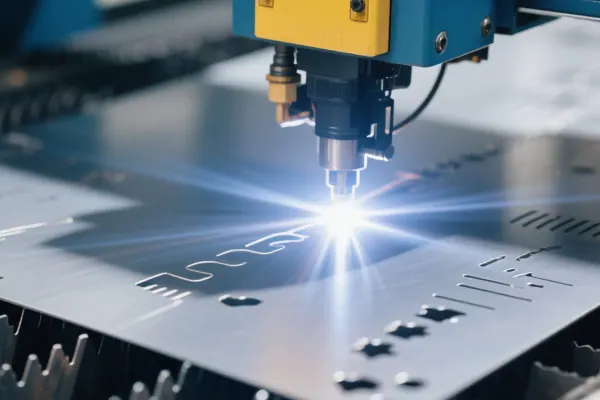
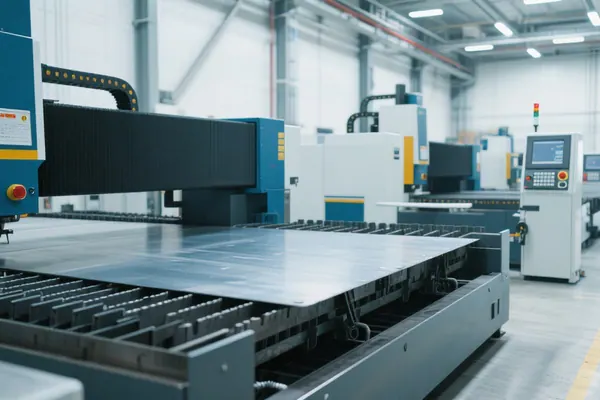
How laser cutting works and where it fits — materials, thickness behaviour, edge quality and the applications where it beats punching or plasma.
Enclosure design from an engineer, a buyer and a decision-maker angle — shielding, thermal, sealing and sourcing, and where those requirements conflict.
Welding techniques for sheet metal — process selection by material and thickness, joint design, distortion control, and inspection that proves the joint.
Designing solar sheet metal for the installed environment — corrosion class, wind and snow load, thermal cycling, drainage and service access.
Stainless steel sheet fabrication explained — what 304 and 316 actually differ on, how forming and welding change the surface, and where each grade belongs.
Designing store fixtures that merchandise well — sightlines, product density, finish durability and the handling loads a fixture takes over its life.
Strategies for optimizing sheet metal fabrication processes for high-volume electronic component production, including automation, tooling design, and production flow optimization for engineers, procurement professionals, and decision makers.
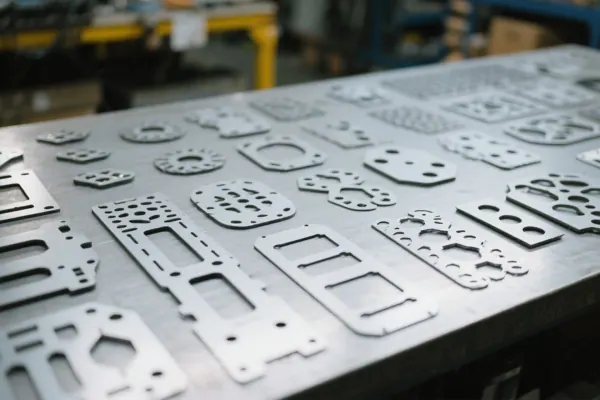
A working guide to sheet metal fabrication — which process suits which geometry, what actually drives the price, and how to judge a supplier before you commit.
Washing machine sheet metal design — base frames, outer cabinets, tub support and control panels, with the corrosion and vibration demands each one carries.
Identify the key differentiators that separate exceptional sheet metal fabrication companies from average providers, including capabilities, quality standards, and customer service.
Nacelle covers, tower internals, hub parts and frames — material choice, corrosion class and tolerances for onshore, coastal and offshore sites.
Designing electronic boxes that balance functionality, accessibility, and manufacturability — port placement, ventilation, and serviceability.
Design for manufacturing applied to electronic enclosures — feature placement, bend and hardware access, cost reduction, and the prototype gate before production.
Designing a PCB enclosure that protects the board — clearances, mounting, EMI/RFI shielding, sealing and the fabrication details that keep it serviceable.
Quality requirements for precision electronics sheet metal — feature tolerances, material and finish control, and the inspection evidence to expect.
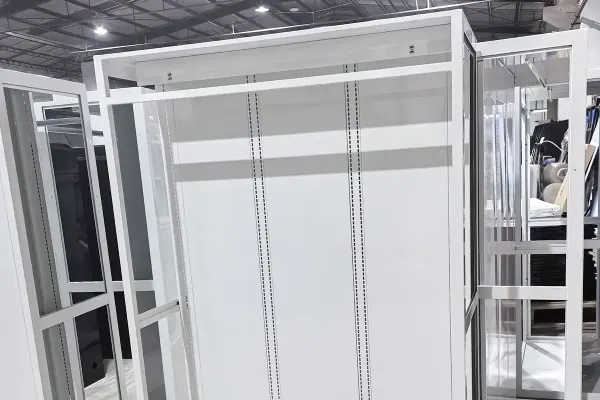
How refrigerator sheet metal parts are designed and built — base frames, liners, door assemblies and shelving, with the material and coating choices behind each.
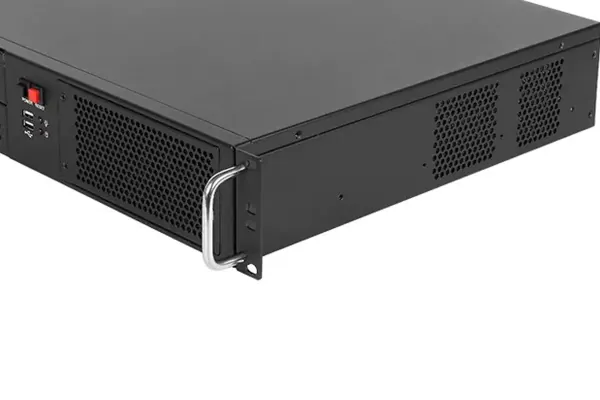
Chassis design principles that decide structural integrity — load paths, stiffening, datum strategy and thermal management, with a worked server chassis example.
Why China dominates sheet metal fabrication — regional supply chains, tooling depth, process specialisation, and how a buyer should read capacity claims.