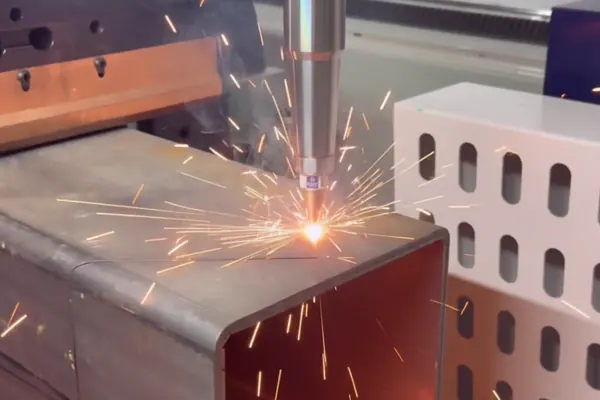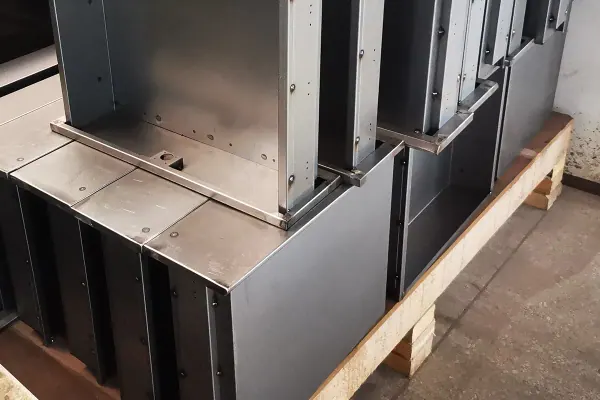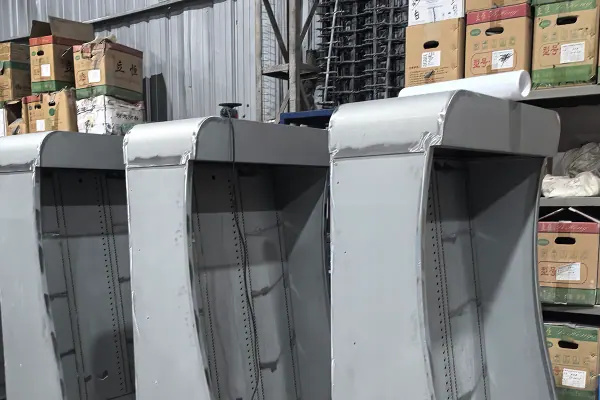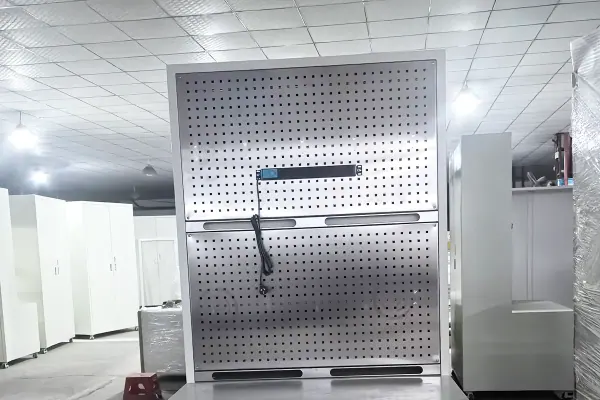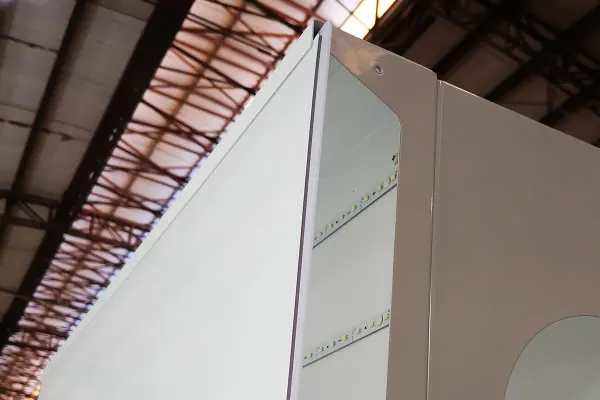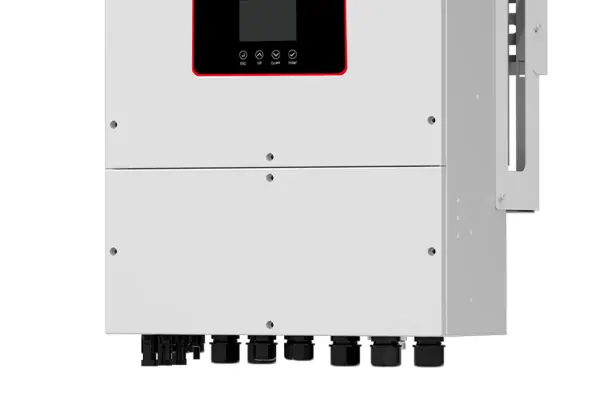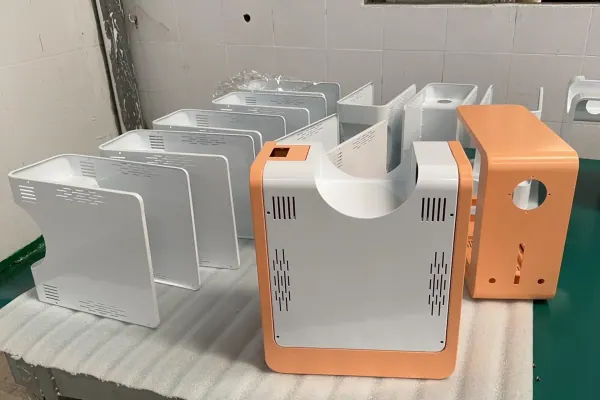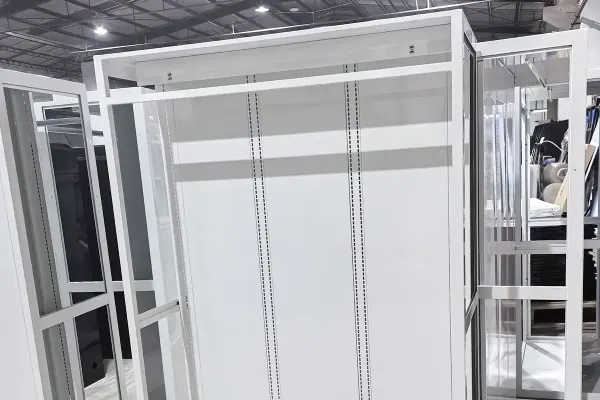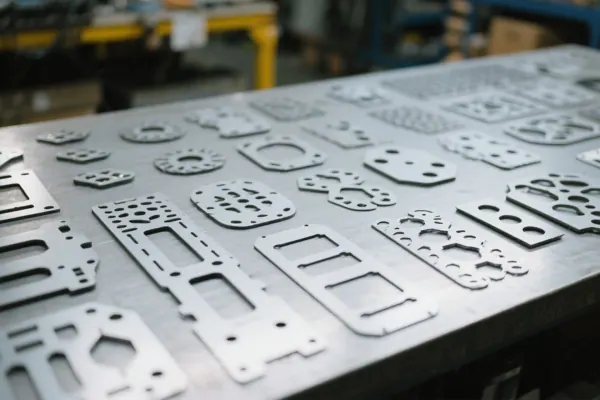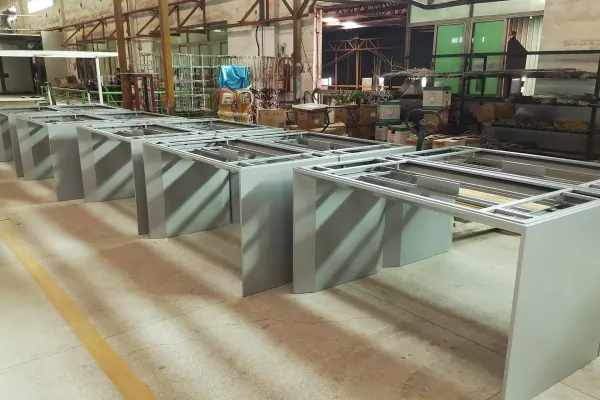
Manufacturing Techniques for Store Fixture Sheet Metal
Specialized manufacturing techniques for store fixture sheet metal — forming, welding, and finishing for durable retail displays.
Explore our latest industry insights, fabrication tips, and company news.
Page 5 of 7
97–120 of 168 articles
Specialized manufacturing techniques for store fixture sheet metal — forming, welding, and finishing for durable retail displays.
How different sheet metal materials respond to laser cutting — cutting parameters, edge quality, and material limitations for engineers and procurement.
Which sheet metal and coating to specify for appliance panels, liners and brackets — corrosion, cosmetic finish, formability and cost, appliance by appliance.
Choosing sheet metal for display racks — material by application, thickness against span and load, and the finishes that survive a retail floor.
Steel, aluminium and tube options for retail display stands, compared on strength-to-weight, weldability, finish quality and how they survive store handling.
Material selection for POP displays — matching sheet metal and finish to the application, the load, and the number of weeks the display has to last.
Material selection for retail signage — sheet metal and finish by signage type, thickness against panel size, and the flatness that decides how it reads.
How to choose sheet metal for retail displays — steel, aluminium and finish options weighed against load, appearance and budget.
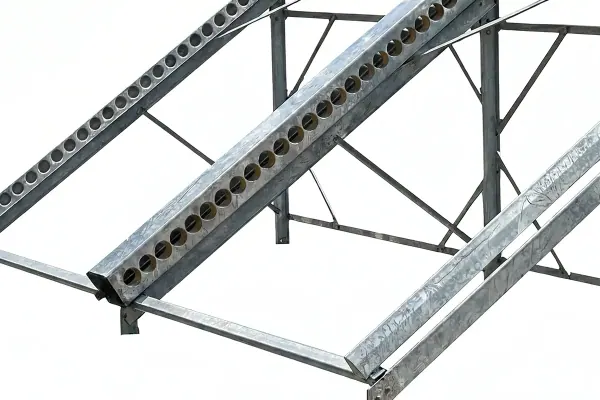
Aluminium, galvanised and stainless for solar mounting and framing — corrosion class, weight, thermal cycling, and why 5052 and 6061 behave differently outdoors.
Matching sheet metal and finish to the retail category — thickness, strength-to-weight, finish durability and the cost trade-offs that follow.
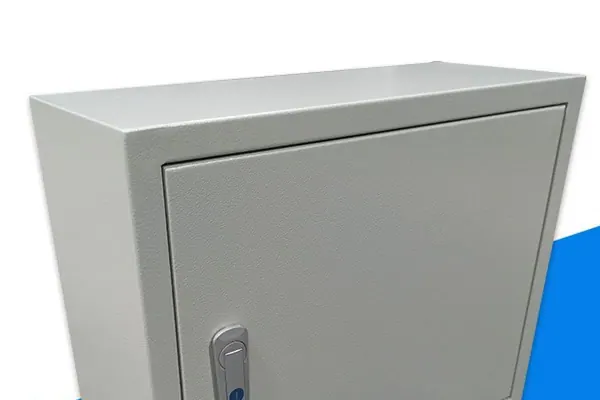
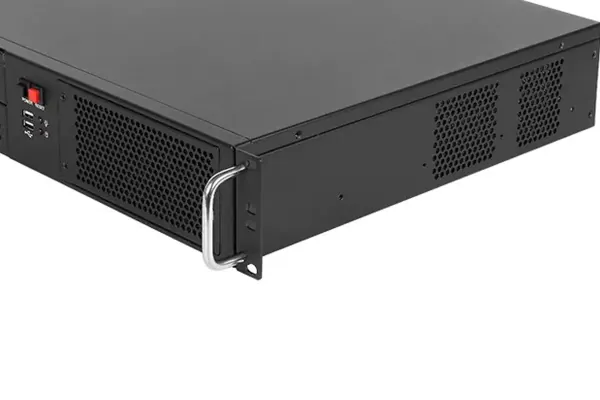
Material and finish selection for electronic enclosures and chassis — conductivity, galvanic pairs, shielding and weight, with the sourcing questions that follow.
What medical and laboratory equipment demands from fabricated sheet metal — tighter features, cleanable surfaces, material control and the records a buyer needs.
Designing display racks that both store product and sell it — load paths, forward visibility, stock rotation and the handling loads a rack really sees.
Load paths, base stability, joint design and material thickness for retail display stands — plus the handling and relocation loads that get forgotten.
A comprehensive guide to designing and fabricating battery enclosures for energy storage systems and electric vehicles, including material selection, structural design, and safety standards for renewable energy applications.
A comprehensive guide to designing effective sheet metal components for solar panel systems, including structural considerations, weather resistance, and installation requirements.
A comprehensive guide to designing and installing effective solar panel mounting brackets, including material selection, structural considerations, and installation techniques for various applications.
A comprehensive guide to designing and fabricating sheet metal components for wind turbines, including structural considerations, material selection, and specialized fabrication techniques for renewable energy applications.
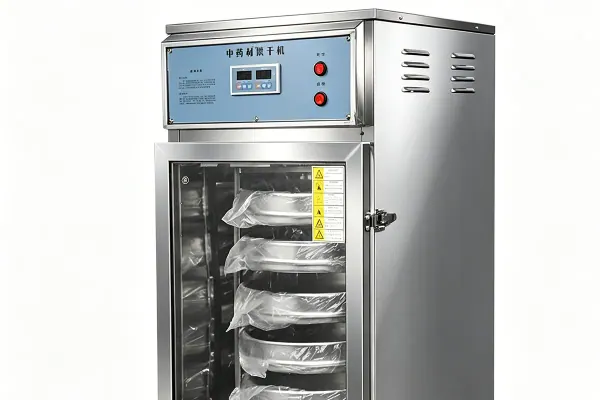
Cavity, door and element-mounting design for ovens — steel selection for high-temperature service, thermal expansion control and the details that survive cycling.
Designing POP displays for impulse purchase — placement, sightlines, product access and the structural decisions that keep a display upright all campaign.
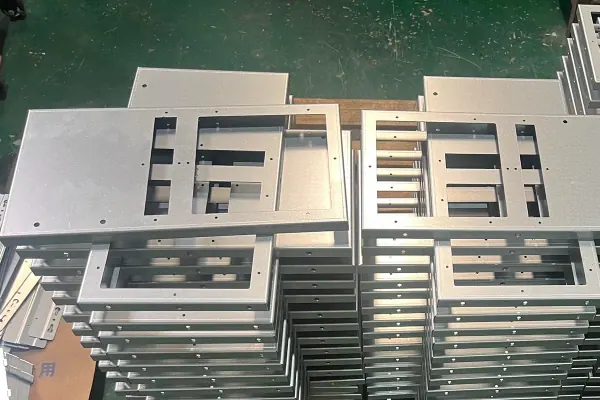
What actually controls laser cutting precision — calibration, cutting parameters, material variation, and the checks that catch drift before a batch does.
Retail displays are touched, moved and reloaded. The design decisions that keep a fixture engaging after twelve months in a store, not just at handover.
Designing retail metal signage for visibility — letterforms, contrast, mounting height and sightlines, plus the fabrication details that keep edges clean.
The mechanical side of an electronics product — chassis, enclosures, brackets and thermal paths — and why it is often the schedule-critical path to production.